Automation end of line resources

What is end-of-line automation and how can it help manufacturers improve operational efficiency?

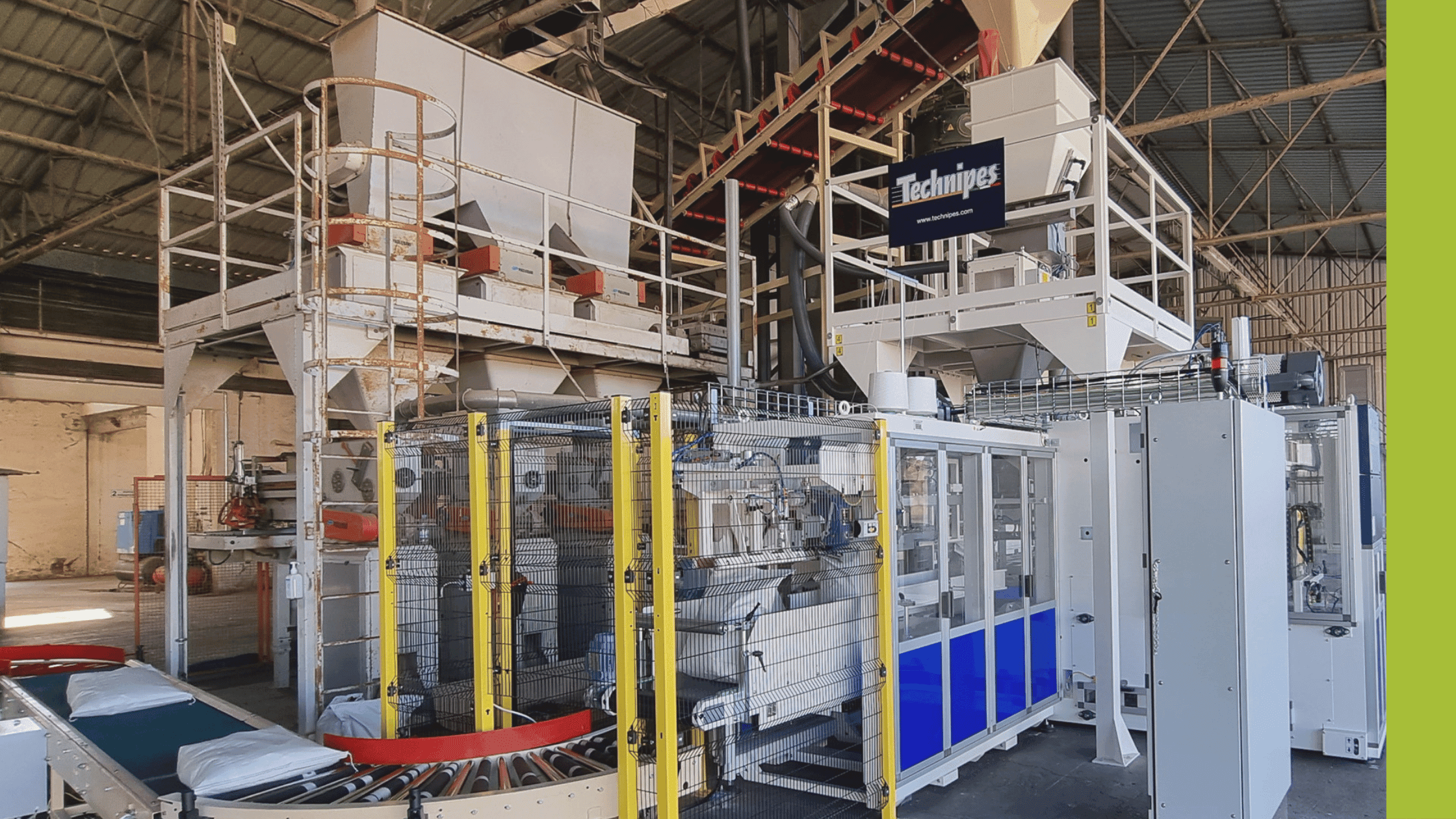
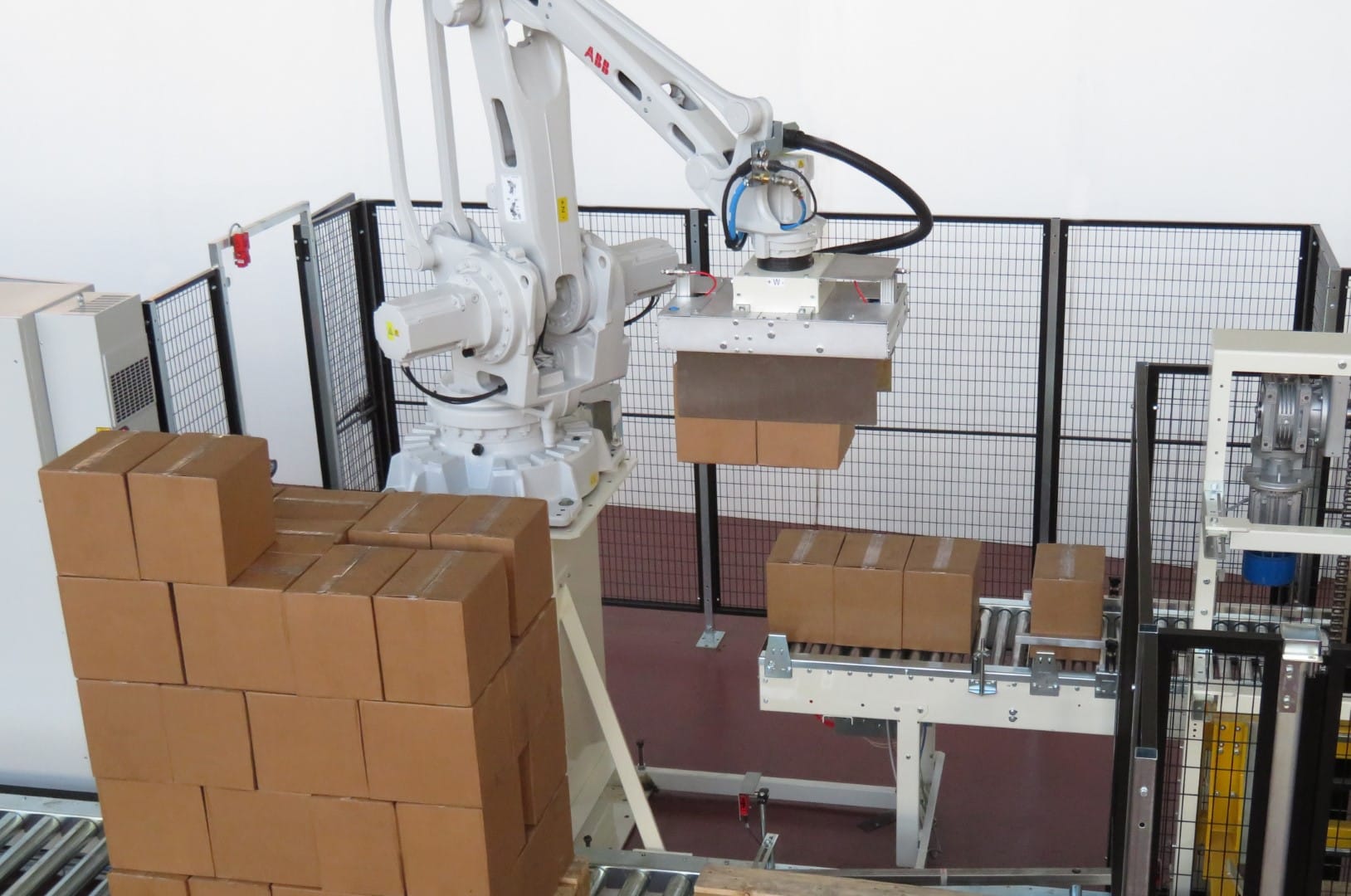
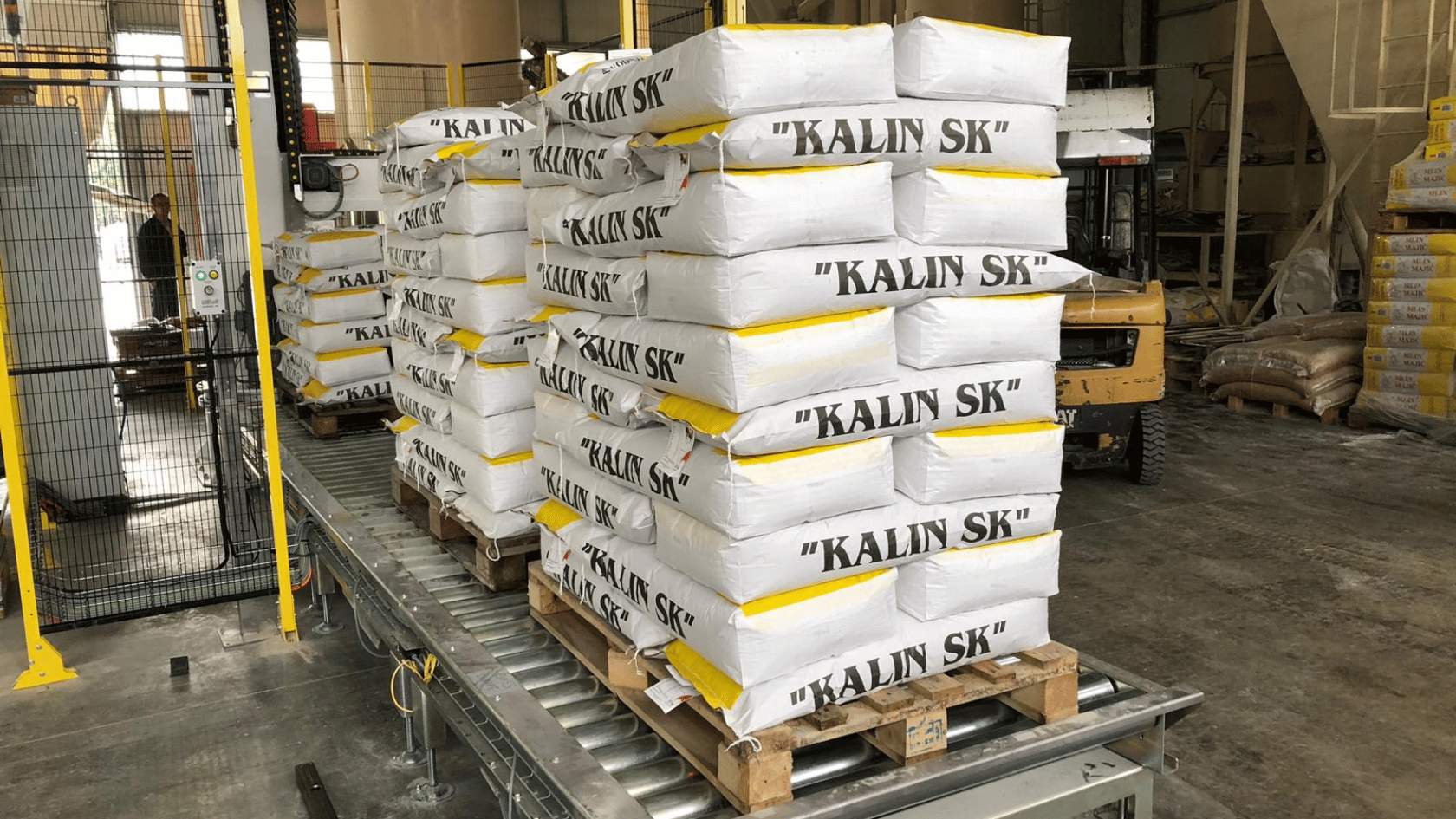
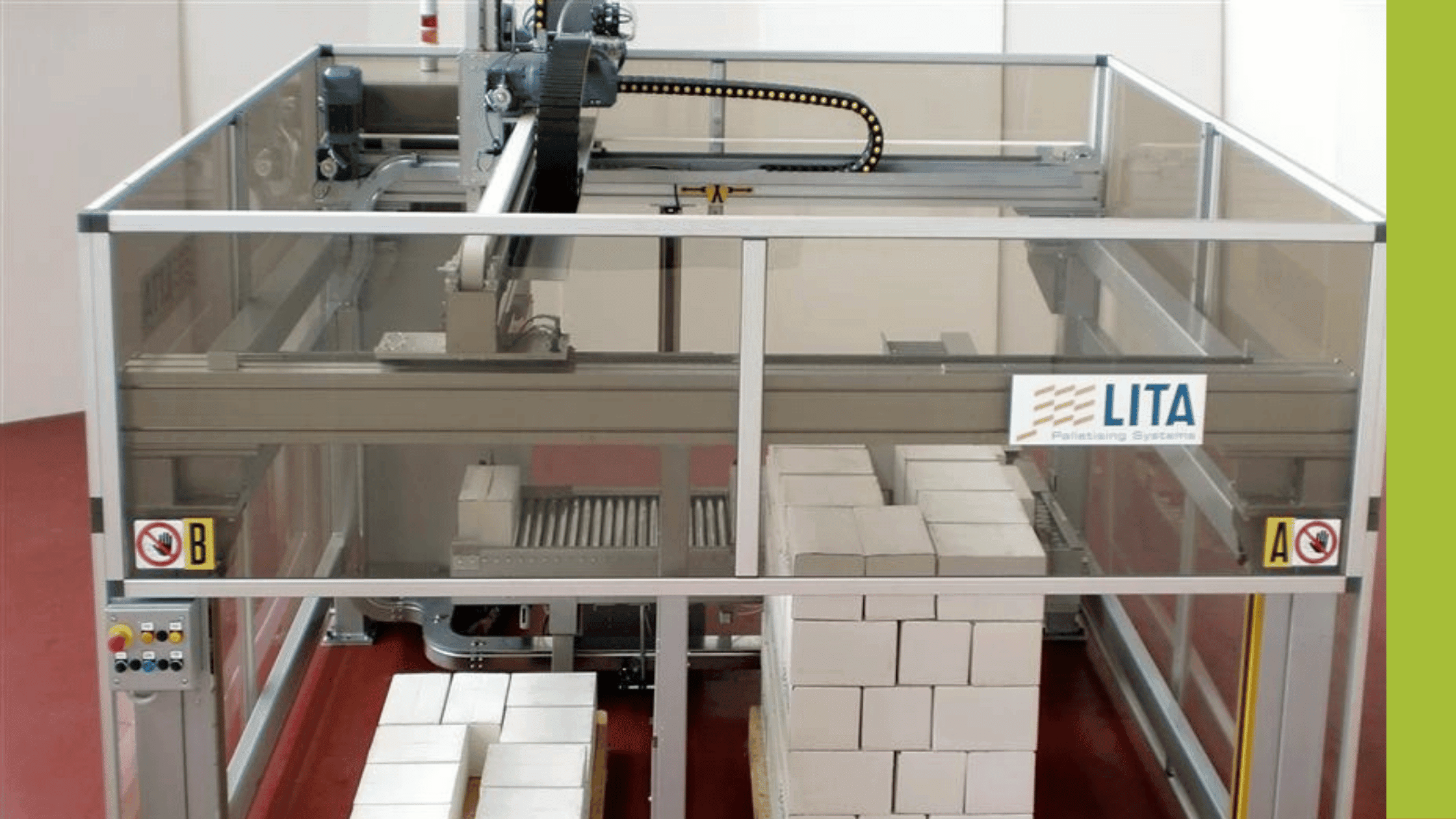
End-of-line automation refers to the technologies and systems used to automate the final stage of the production process - preparing, packing and palletising finished products for distribution - and is a critical part of any modern manufacturing operation.
Automation

What you need to know about automating your manufacturing operation safely

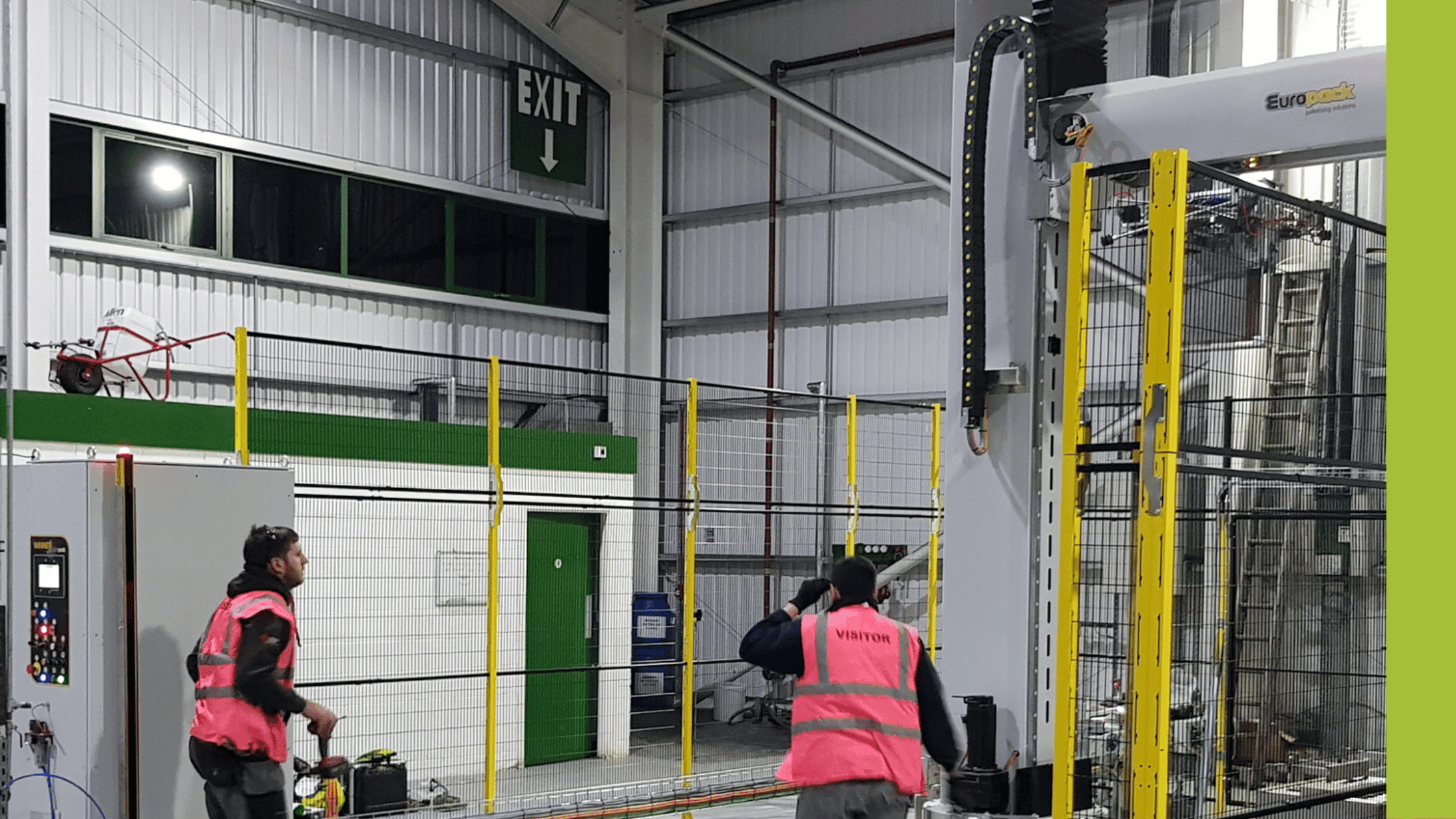
Automation in manufacturing continues to grow: more than half a million industrial robots were installed last year alone, delivering productivity and efficiency savings to manufacturers worldwide. However, to realise the maximum benefits and ensure the wellbeing of the workforce and the longevity of the machinery, it’s important any equipment is implemented safely.
Automation

The four biggest obstacles to automation and how to overcome them

We’ve written a lot about how to automate and the benefits of investing in automation - and there’s no doubt that in a competitive and fast-paced landscape, automation goes a long way towards boosting the productivity, efficiency and profitability of manufacturing operations. Yet despite this understanding manufacturers are still reluctant to make the move to a more automated production line, put off by obstacles such as high costs, lack of floor space or the overwhelm of choice. Here, we examine some of the potential barriers to automation and look at how they can be overcome.
Automation

Adding the right ingredient: How automation can improve efficiency in the food & beverage industry

Efficiency is a key factor in the success of any business but in food and beverage production, where price margins and regulatory compliance come to the fore, it is particularly important. So, it’s no wonder that businesses are increasingly investing in ways to improve efficiency – one of which is automation.
Automation

Three ways effective automation can improve your manufacturing operation

The adoption of effective automation has become a game-changer for manufacturers looking to work more effectively. As technology has developed, so tools have evolved that allow tasks to be carried out faster, with greater precision and less risk – helping companies to improve product quality and create safer work environments.
Automation

Energy-efficiency in manufacturing: Europack palletisers and other ways to reduce your carbon footprint

In most developed countries, manufacturing is one of the top three sources of greenhouse gas (GHG) emissions. Industries including automotive, electronics, steel, cement, food production and more all contribute to emissions through energy consumption, industrial processes and waste generation - and therefore have a responsibility to take action to reduce their carbon footprint.
Automation

Five ways automation can help tackle the skills shortage in manufacturing

The skills shortage in manufacturing is well-documented and it’s not only causing significant economic impact but also limiting the industry's potential for growth and innovation. According to the UK government, 168,000 new workers are needed to enter the manufacturing sector annually up to 2024 in order to meet demand.