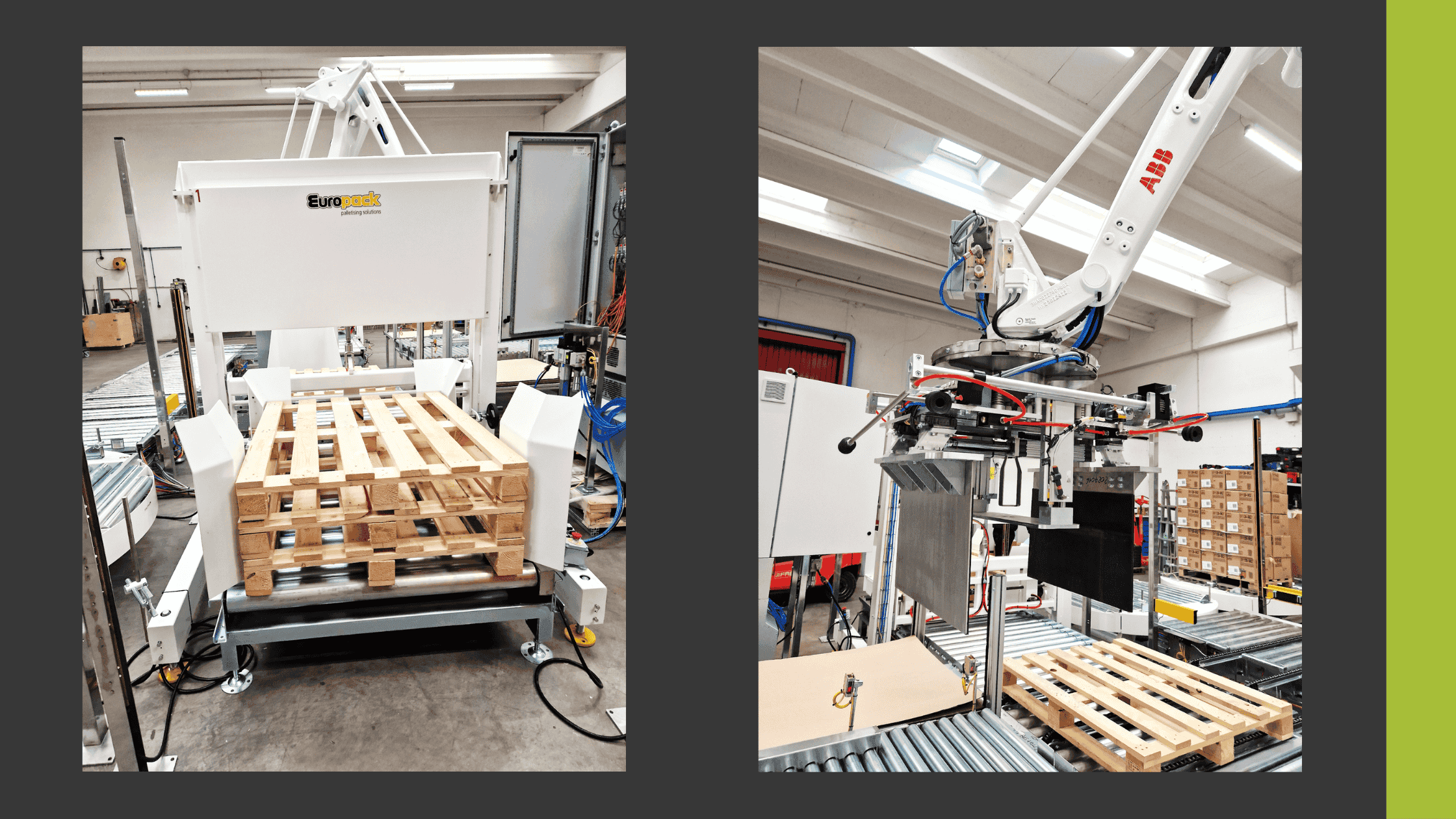
Sack palletisers

Efficient grain bagging and palletising solutions for agriculture processing

In agricultural processing facilities, manual sack filling and stacking is physically demanding and can lead to inconsistent weighing, product loss through spillage and variable pallet stability. These issues are commonly exacerbated during peak harvest periods or when responding to high-volume orders. Automated grain bagging and palletising systems, including Europack solutions from PALpack, help agribusinesses speed up handling, reduce labour, and protect product quality. This article explores how automated solutions streamline filling, stacking, and palletising processes for bulk grain operations.
Automation

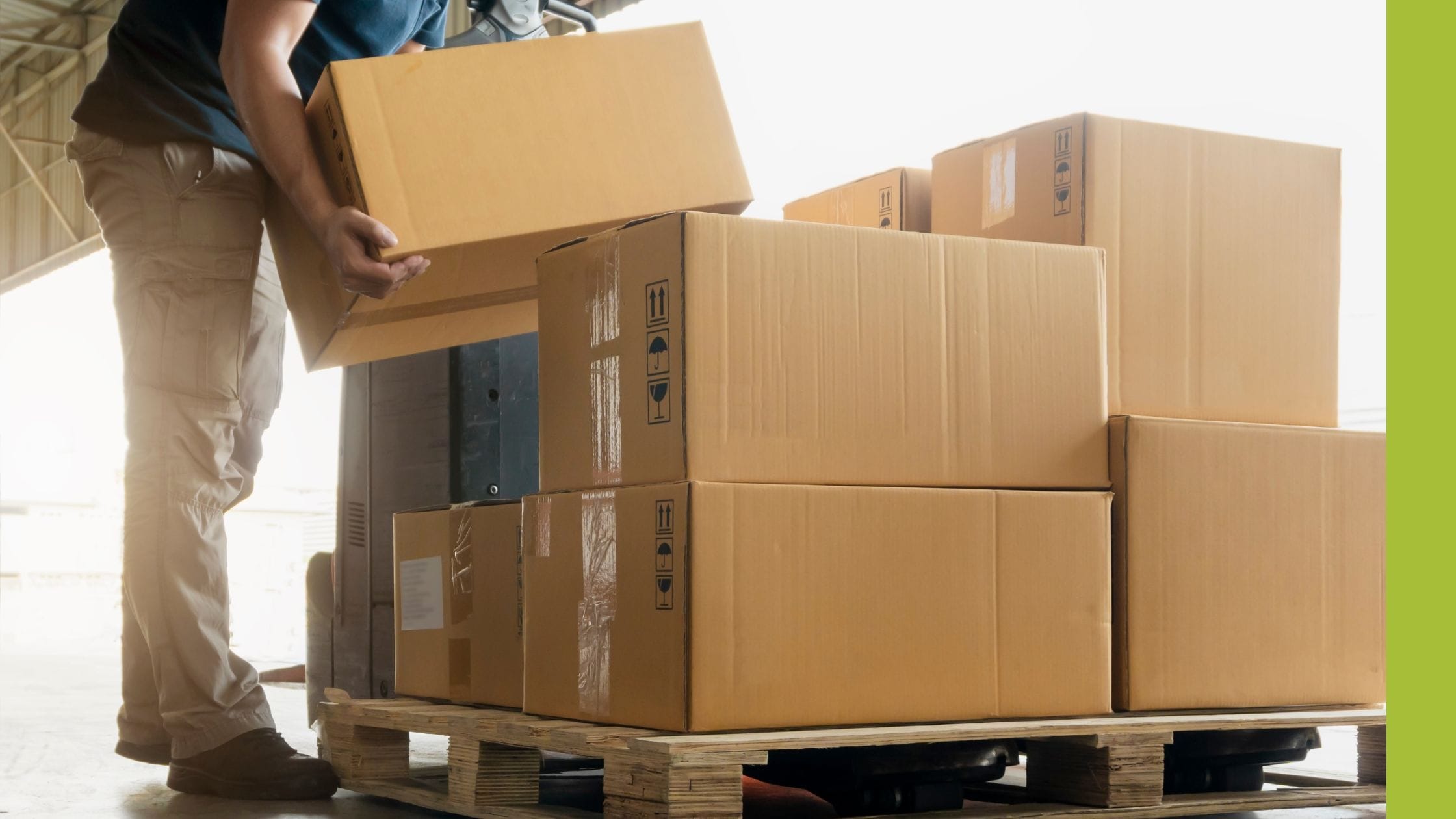
Seamless installation of automatic handling systems for warehouses and distribution

Installing automatic handling systems is a major operational challenge for warehouse and distribution facilities. Although these systems are designed to improve performance, the outcome depends heavily on how they are installed and supported. Poor planning or rushed installation can result in disruption, integration issues and underperforming equipment, limiting the return on investment.
Sustainability

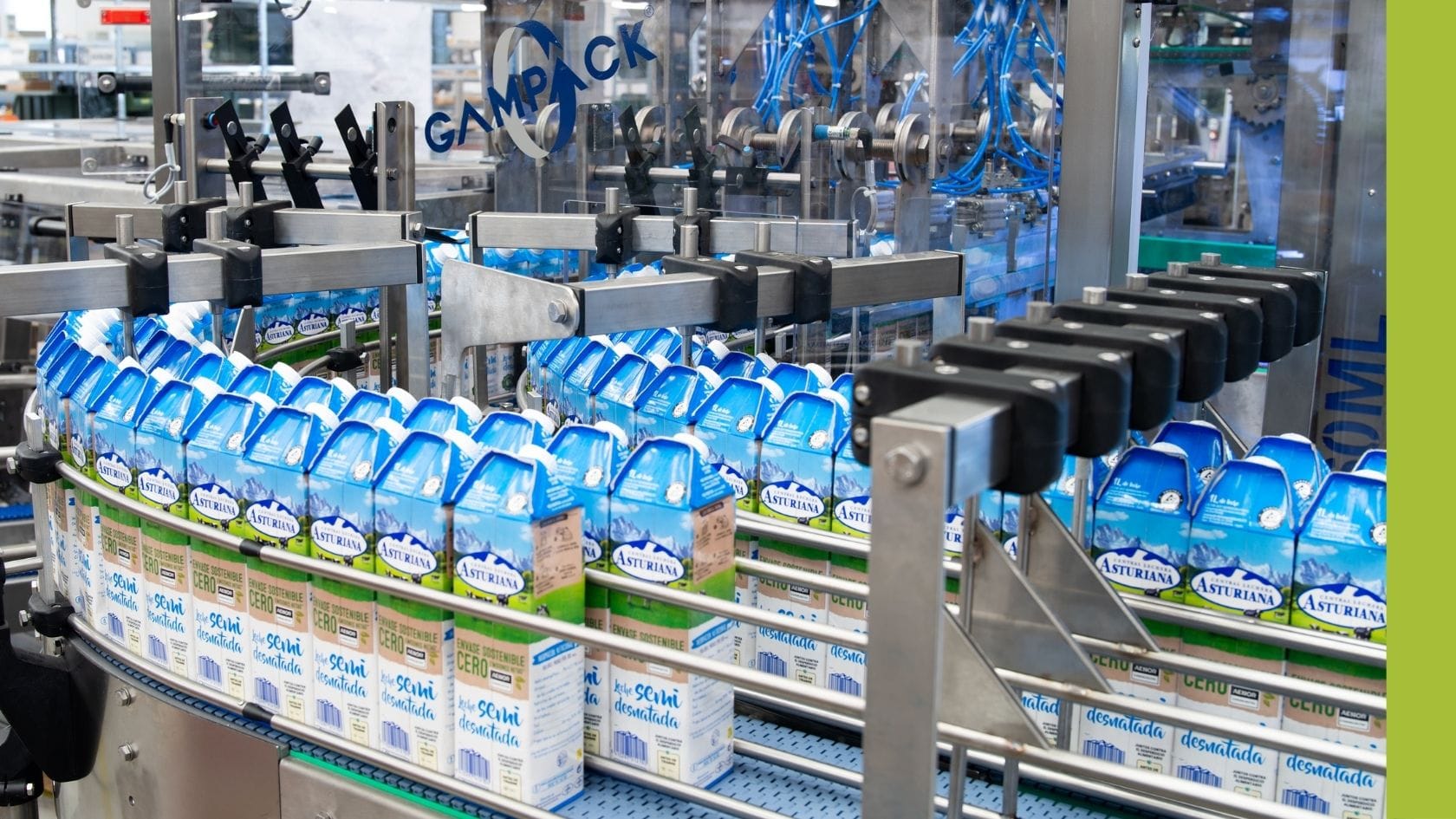
Building a greener supply chain with sustainable packing solutions

Businesses across manufacturing and distribution are under increasing pressure to reduce their environmental impact. Many are focusing on sustainable packing as a practical route to lower waste and energy use without compromising output or product protection. Automation plays an important role in supporting this shift, helping companies work more efficiently while making measurable progress towards sustainability goals.
Automation

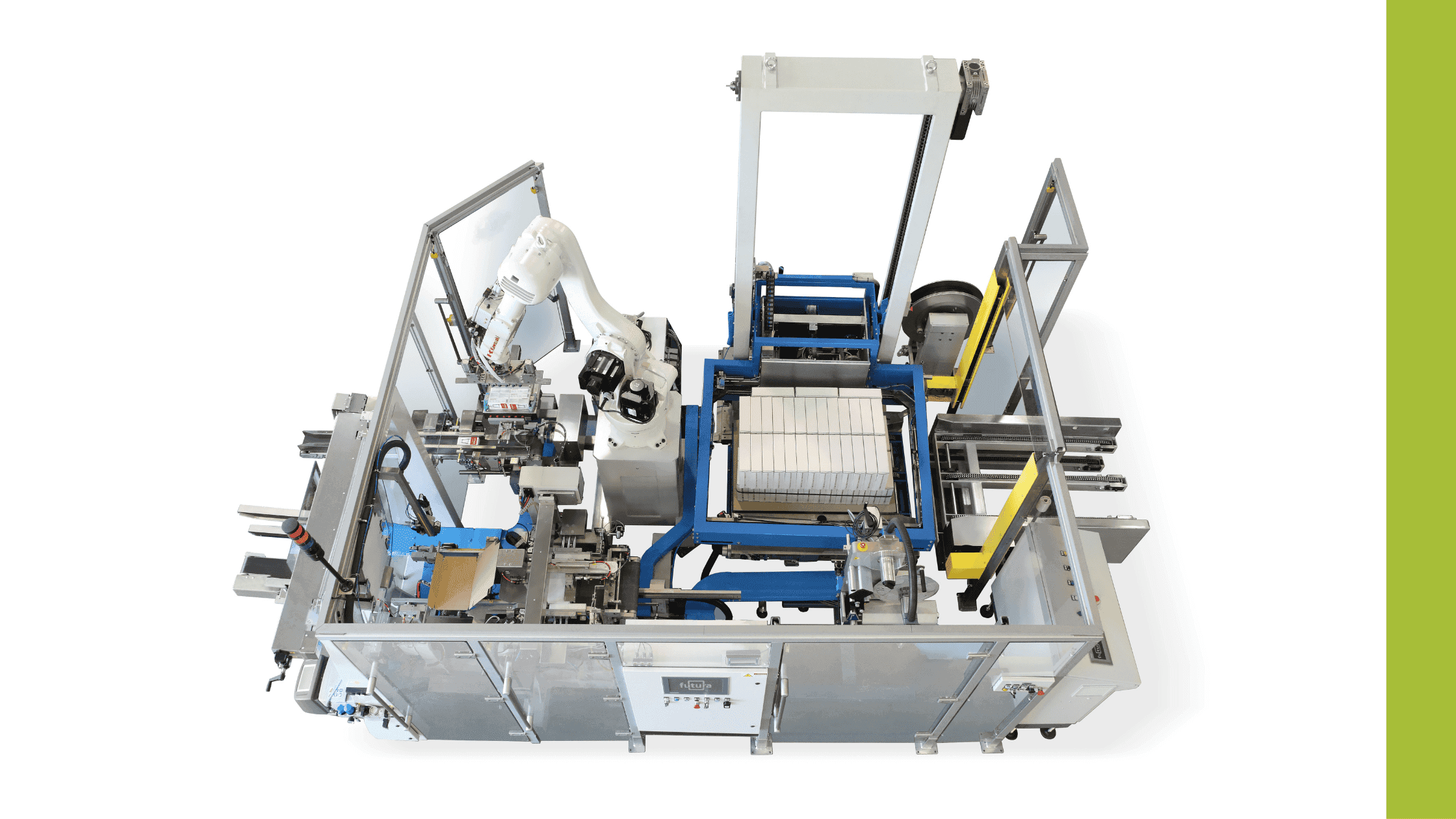
Automated chemical handling: Improving safety and efficiency in manufacturing

Handling chemicals safely is one of the biggest challenges in manufacturing. Liquids are often filled into drums, whilst powders and solids are packed in sacks, bags or cartons. Each packaging type carries different risks for manual operators, especially during lifting, stacking and pallet preparation. Automated chemical handling helps manufacturers reduce these risks while also improving day-to-day productivity.
Automation

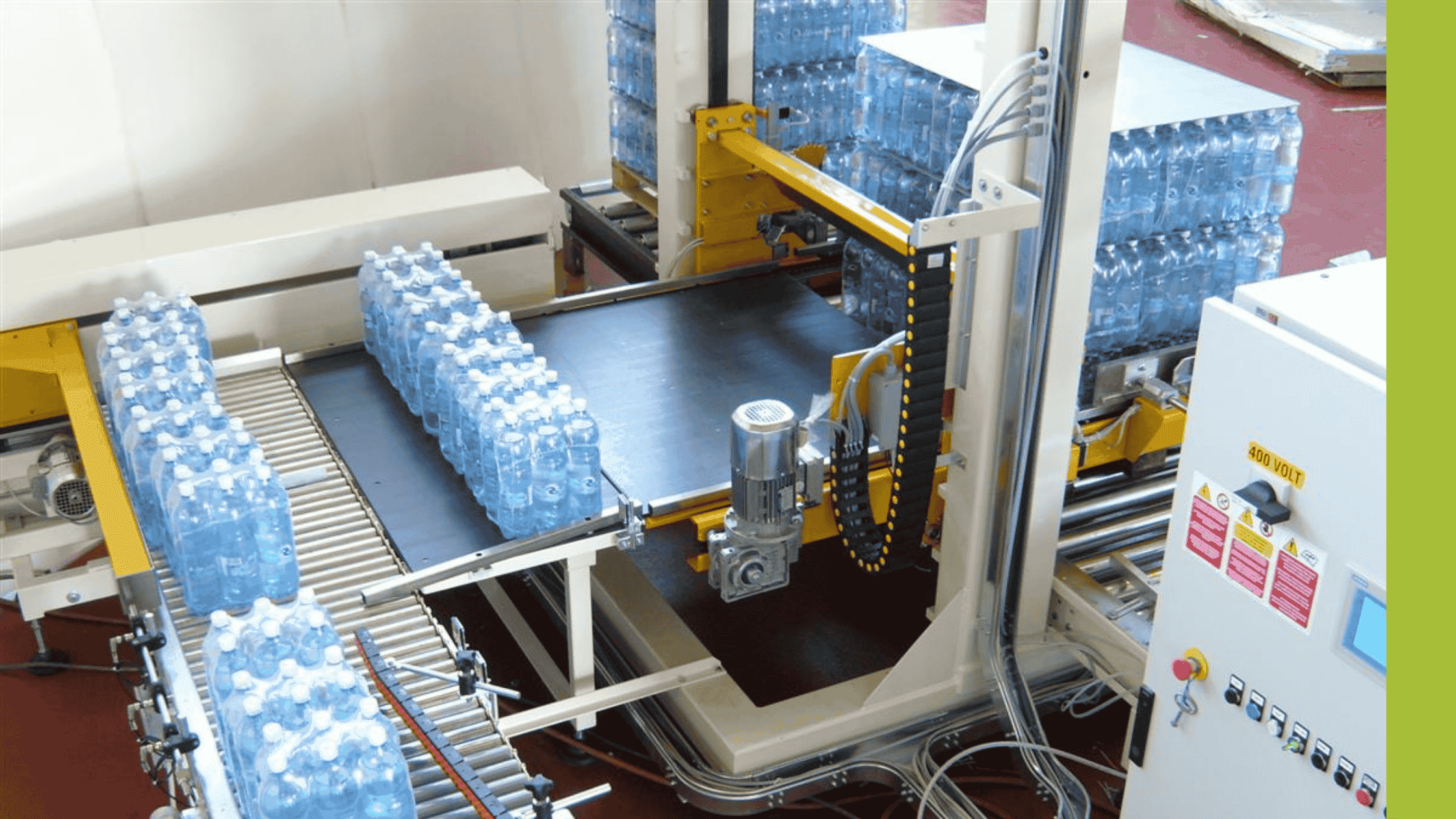
How to integrate end-of-line automation into existing production lines: A step-by-step approach

End-of-line automation integration allows manufacturers to streamline production, reduce manual handling, and maintain consistent output quality. This provides a multitude of benefits, including greater efficiency, improved safety, and scalable systems that are able to grow with demand. Integrating automation into an established production line can be implemented with minimal disruption by taking a structured step-by-step approach.