Automation

The four biggest obstacles to automation and how to overcome them

We’ve written a lot about how to automate and the benefits of investing in automation - and there’s no doubt that in a competitive and fast-paced landscape, automation goes a long way towards boosting the productivity, efficiency and profitability of manufacturing operations. Yet despite this understanding manufacturers are still reluctant to make the move to a more automated production line, put off by obstacles such as high costs, lack of floor space or the overwhelm of choice. Here, we examine some of the potential barriers to automation and look at how they can be overcome.
Automation

Adding the right ingredient: How automation can improve efficiency in the food & beverage industry

Efficiency is a key factor in the success of any business but in food and beverage production, where price margins and regulatory compliance come to the fore, it is particularly important. So, it’s no wonder that businesses are increasingly investing in ways to improve efficiency – one of which is automation.
Pick and place

What are pick and place robots and how can they help your business grow?

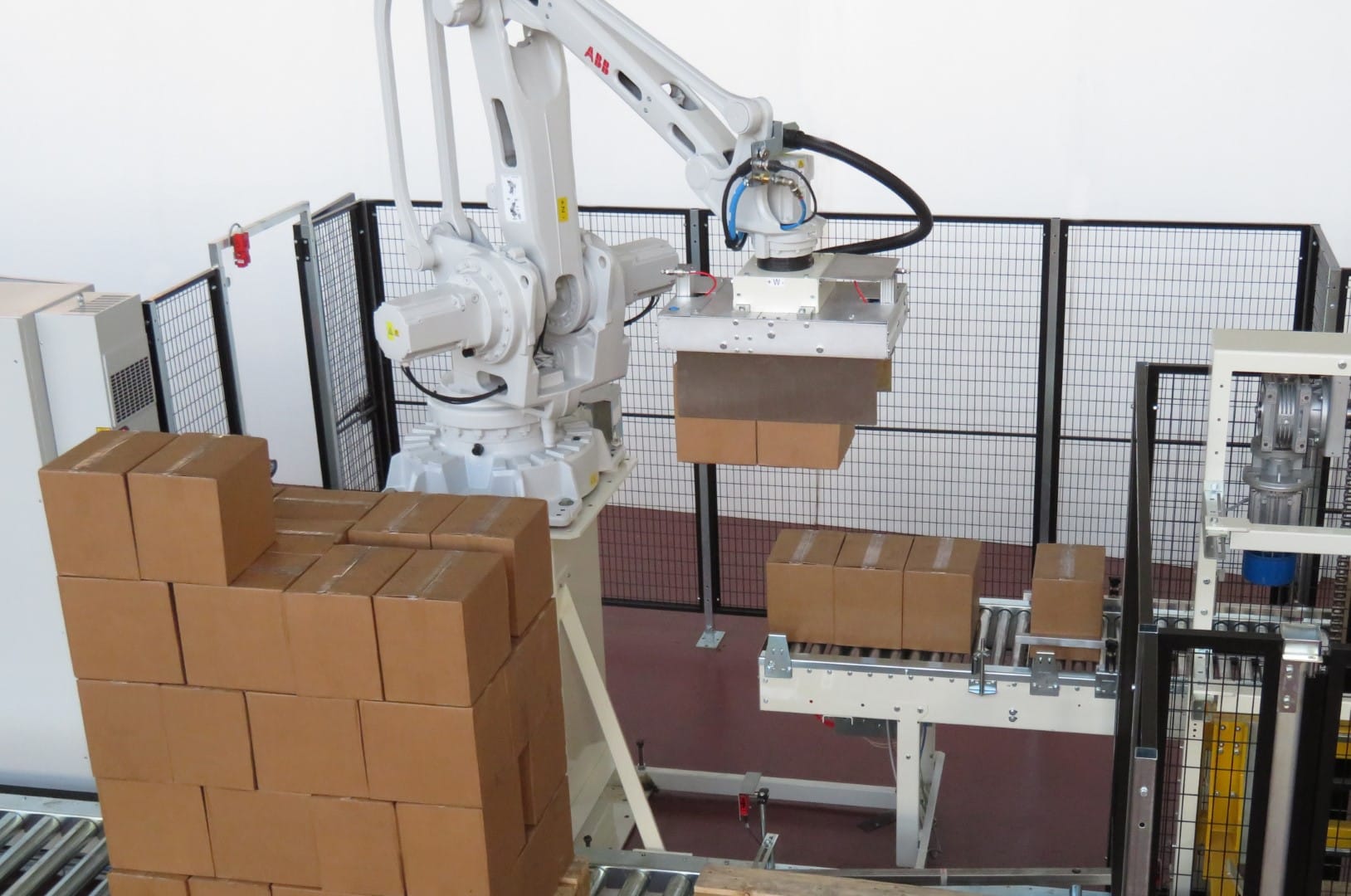
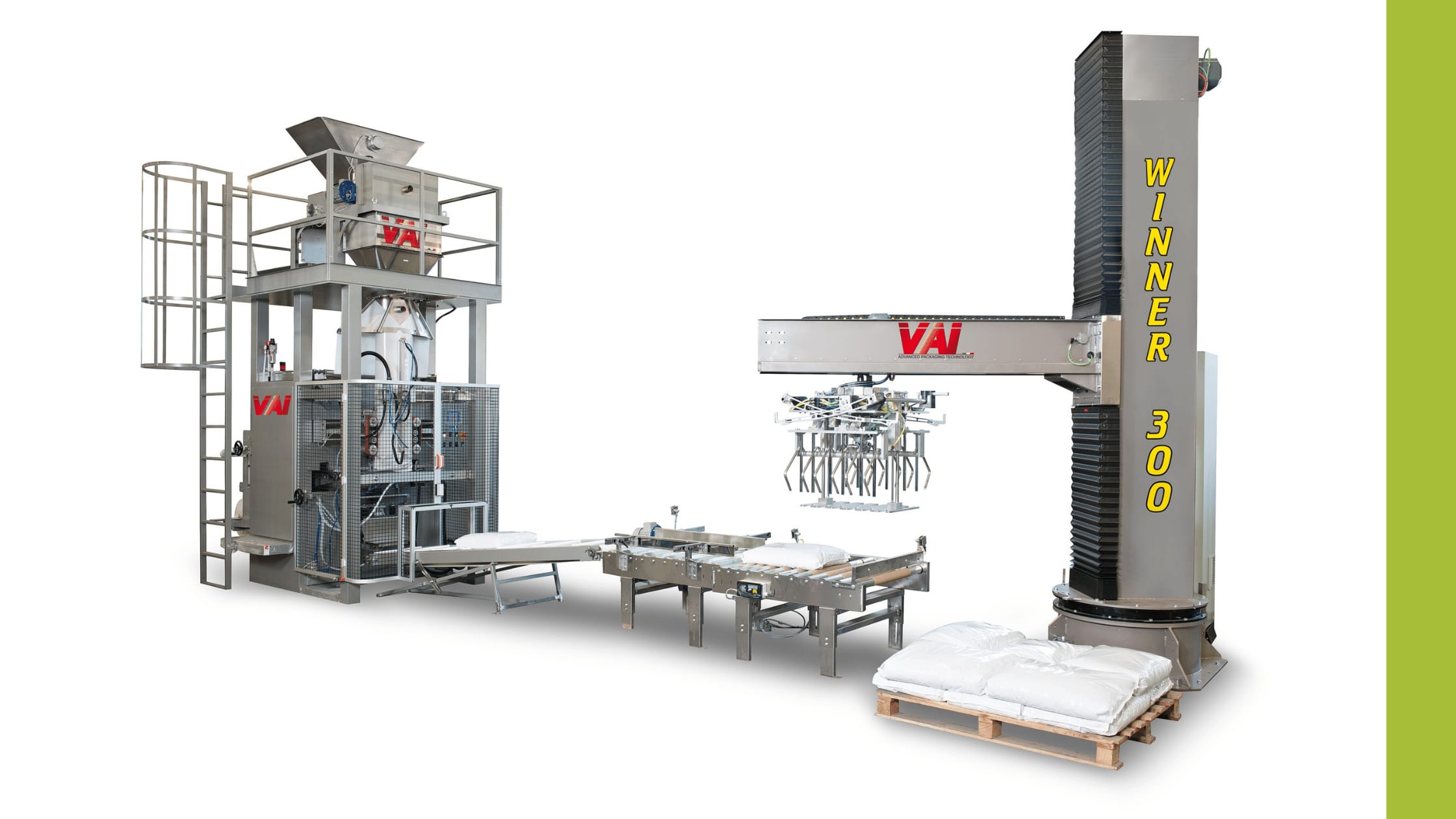
Pick and place robots do exactly what it says on the tin: pick things up from one location, such as a conveyor belt, and place them down in another, for example, on a pallet. The automated machines can be programmed to perform precise movements and can handle objects of all sizes with much greater speed, accuracy and consistency than a human operative. This makes them a popular choice for manufacturers looking to increase efficiency and productivity.
Automation

Three ways effective automation can improve your manufacturing operation

The adoption of effective automation has become a game-changer for manufacturers looking to work more effectively. As technology has developed, so tools have evolved that allow tasks to be carried out faster, with greater precision and less risk – helping companies to improve product quality and create safer work environments.
Automation

Energy-efficiency in manufacturing: Europack palletisers and other ways to reduce your carbon footprint

In most developed countries, manufacturing is one of the top three sources of greenhouse gas (GHG) emissions. Industries including automotive, electronics, steel, cement, food production and more all contribute to emissions through energy consumption, industrial processes and waste generation - and therefore have a responsibility to take action to reduce their carbon footprint.
Automation

Five ways automation can help tackle the skills shortage in manufacturing

The skills shortage in manufacturing is well-documented and it’s not only causing significant economic impact but also limiting the industry's potential for growth and innovation. According to the UK government, 168,000 new workers are needed to enter the manufacturing sector annually up to 2024 in order to meet demand.
Palletisers

Get a grip on efficiency: why choosing the right gripping head makes a difference

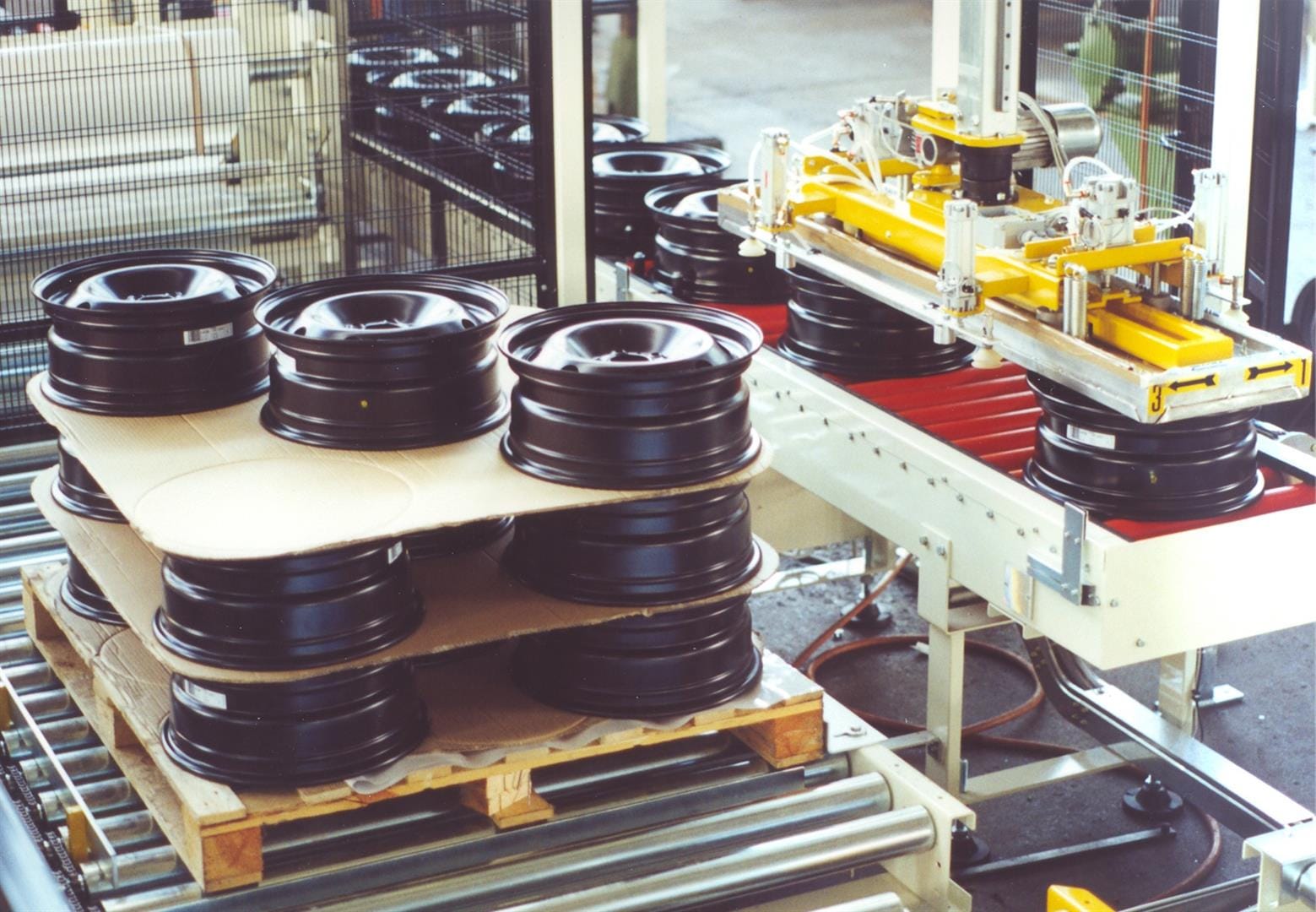
In manufacturing, efficiency is key to success. Improved efficiency results in greater productivity, less waste, fewer hours lost to downtime and lower costs. This is why automated technology such as sack-filling machines and palletisers is so valuable – these machines feature specialist gripping heads so rather than slow and labour-intensive manual handling of packages they can handle items with speed and precision.